
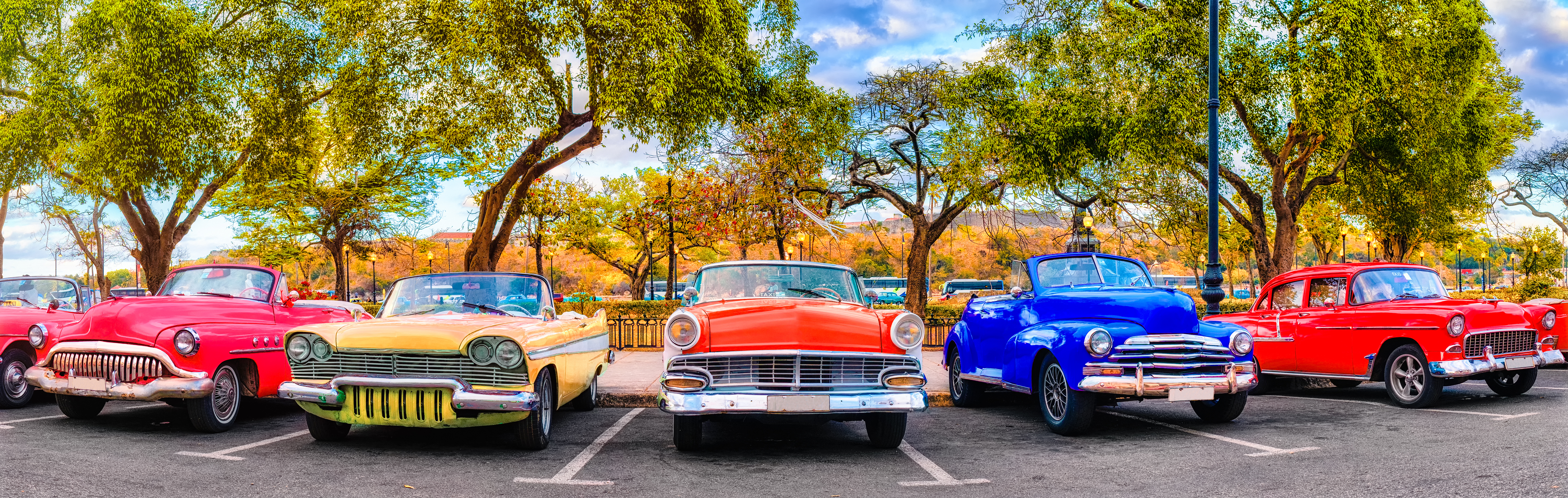
Owning a specialty car comes with both joys and challenges. These cars often hold significant value through their state-of-the-art technology, historical significance, or unique design. However, insuring specialty cars can be a bit more involved than a standard vehicle. It requires a tailored approach to ensure these cars have adequate protection against the specific risks they face — whether on the road or in storage.
Electric Vehicles
Insuring an electric vehicle (EV) looks similar to insuring a conventional car, but there are some unique factors to consider.
To begin, agents should have a good understanding of EV technology, including battery types, charging systems, and electric drivetrains. These features require specialized insurance coverage. Examples include battery replacement, EV charging stations, and roadside assistance for EV-specific issues.

- Cost: Insuring an electric vehicle can be slightly more expensive than a conventional car due to higher repair costs and replacement parts. EVs may also have a higher risk of theft or vandalism due to valuable parts like lithium batteries and precious metals.
- Necessity: Repair and replacement costs can be higher for electric vehicles, especially for a dead battery (averaging $5,000 to $15,000), electric drivetrains, and other electronic parts. Those costs should be considered when evaluating coverage options for clients.
Charging stations are a unique consideration of EVs. They carry their own risks, and for that reason, auto insurance should include a clause about wall charger coverage.
EV owners will need to have additional homeowners liability coverage for home charging stations. Agents should know the insurance implications of installing and using charging infrastructure in homes to provide complete coverage for their clients.
Hybrid Cars
Like electric vehicles, hybrids have unique mechanical components, including battery packs, regenerative braking systems, and electric drivetrains. The battery is one of the most expensive parts of a hybrid vehicle (averaging $2,000 to $8,000) so it’s important to know the coverage options for hybrid batteries.
Because of the mechanical differences from conventional cars, hybrids have specialized coverage options. These may include coverage for battery replacement and enhanced roadside assistance for electric vehicle-related issues.
- Cost: Hybrids can have higher upfront costs due to their advanced technology. Hybrid parts, such as batteries and electric motors, can be more expensive to repair or replace, which can also increase insurance premiums.
- Necessity: Like all cars, hybrids typically require insurance coverage. Because hybrid components can be expensive to repair or replace, it’s crucial to have insurance coverage for covering these costs.
Another consideration is that hybrid cars often have advanced safety features to reduce the risk of accidents. These features may qualify clients for insurance discounts. Because of the environmental benefits associated with hybrids, there may also be incentives or discounts available for eco-friendly vehicles.
Classic Cars/Antique Cars
Classic cars are typically older vehicles that have historical significance or are considered collectibles due to their design, engineering, or rarity. Classic cars are often defined as vehicles that are at least 20 to 25 years old.
Antique cars are even older than classic cars, usually vehicles that are at least 50 years old. They often represent a significant era in automotive history and are often limited in availability. For that reason, their collector value can be quite high.
- Cost: Insurance premiums can vary significantly, depending on the car’s value, usage, storage, and driving history. The good news for consumers is that they tend to be less expensive to insure than standard cars. That’s because they’re usually driven less and are often well-maintained.
- Necessity: Insurance for these cars is usually required by law. However, insurance is also needed to protect against theft, accidents, vandalism, and even natural disasters. Some clients may want an antique car policy that covers restoration costs, which can be substantial when paid for out-of-pocket.
When considering insurance options, agents should discuss with clients how their cars will be stored and used. A car that will spend most of its time in the garage will have different coverage needs than a car driven most weekends or regularly throughout the week.
Specialty Cars
Specialty cars often have higher values than standard vehicles due to their rarity, customization, or aesthetic, or performance. They could be muscle cars, sports cars, race cars, customized or kit cars, and even off-road vehicles like dune buggies.
 Agents should accurately assess the value of the car to ensure it’s adequately insured against loss or damage. It’s a good idea to get an independent appraisal of the specialty car’s value before issuing coverage.
Standard insurance policies may not provide enough coverage for specialty cars. Agents should be aware of specialized coverage options, such as “agreed value coverage,” which guarantees a specific payout in case of a total loss, and “stated value coverage,” which allows the owner to set a value for the car.
- Cost: Because specialty car owners often drive their vehicles less frequently than standard cars, agents should know about limited mileage policies. These policies offer lower premiums in exchange for restricting the number of miles the car can be driven annually.
- Necessity: Specialty cars are often valuable assets and even investments for their owners. Insurance provides financial protection against theft, accidents, vandalism, and natural disasters.
In fact, some specialty cars have restrictions on how they can be used, such as participating in races or exhibitions. Agents should understand these restrictions and ensure that the insurance policy covers the intended use of the vehicle.
Specialty cars are often stored in secure garages to protect them from damage and theft. Agents should know about coverage options for cars kept in storage, such as comprehensive-only coverage during the off-season.
Exotic Luxury Cars
Exotic cars are high-performance vehicles that stand out due to their design, cutting-edge technology, speed, or superior performance. These cars are typically made by luxury automakers and are famous for their rarity, exclusivity, and high cost. Examples of exotic car brands include Ferrari, Lamborghini, Bugatti, Aston Martin, and McLaren.
Insuring exotic cars requires a customized approach due to their high value and (often) inclusion of specialty parts. While standard car insurance covers actual value, exotic car insurance covers the agreed upon value of the car. With agreed value coverage, the client and the insurance company agree on the value of the car upfront, often based on an outside appraisal.
Then, if the car is declared a total loss, the client receives the agreed-upon amount, ensuring the client is fully compensated for the car’s value.
- Cost: Insurance premiums for exotic luxury cars can be significantly higher than standard vehicles. Because these cars are designed for high performance, they often have a higher risk of accidents, leading to higher rates. Parts and labor for exotic cars also add up quickly, driving up premiums. Insurance costs may also be higher due to a greater risk of theft.
- Necessity: Exotic luxury cars are highly valuable assets, and insurance provides financial protection against theft, accidents, vandalism, and natural disasters. Exotic cars may also require specialized repairs and parts, which can be expensive. Insurance coverage helps cover these costs.
According to McKinsey & Company, the ultra-luxury car segment will continue to grow through 2030. Vehicles valued at over $150k will have a Compound Annual Growth Rate (CAGR) of 10% over the decade of 2021 to 2031. Those valued at over $500k will see a CAGR of 14% over that same decade. For comparison, non-luxury vehicles valued at less than $80k have a CAGR of only 1%.
Despite current economic conditions, there will be a continued demand for these high-end cars due to the continued increase of “high-net-worth” and “ultra-high-net-worth” individuals.
Final Thoughts on Insuring Specialty Cars
Insuring specialty cars requires a thorough understanding of their unique characteristics and insurance needs. In the end, insuring a specialty car is about protecting the client’s investment and ensuring their peace of mind so they can enjoy the unique driving experience these vehicles offer.