
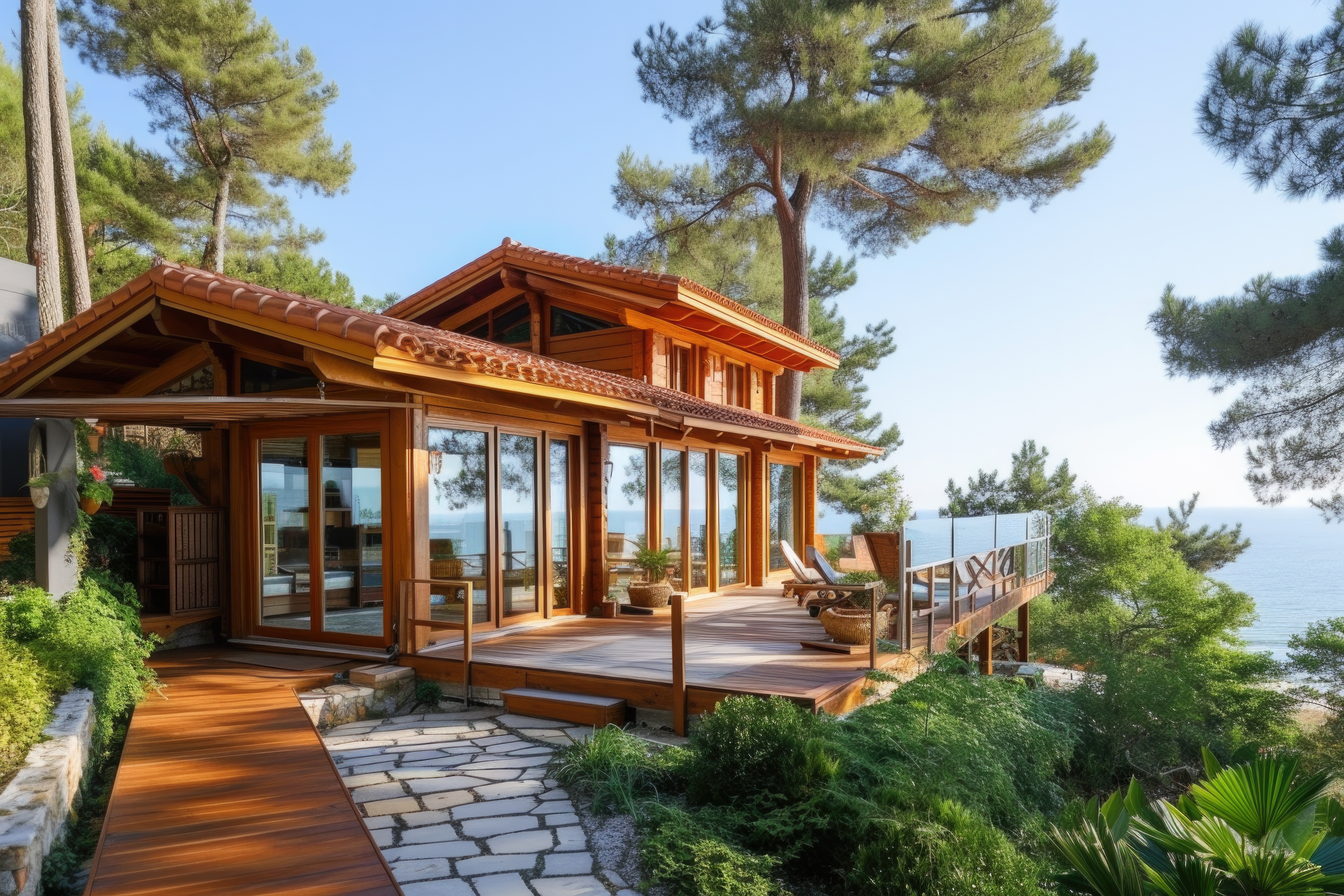
As summertime approaches, many people set their sights on heading “up north” to the cabin or planning the family reunion at the vacation home later in the summer. Some families may even be meeting with real estate agents over the summer, hoping to find their perfect summer cottage or even a rental for additional income. These properties, just like primary homes, need proper insurance coverage.
Cost of Secondary Home Insurance
Secondary home insurance premiums can vary based on factors such as location, property value, type of property (vacation home, rental property), coverage options, and the insurance provider.
Location
Properties in areas prone to natural disasters like hurricanes, earthquakes, floods, or wildfires typically have higher insurance premiums. Since natural disasters have been higher over the past few years, rates have been increasing. Homeowners insurance premiums were 21% higher from May 2022 to May 2023.
With their tendency for hurricanes and wildfires, Florida and California are considered high-risk states. Some insurance companies are even refusing to write new policies or renew policies in these states.
Higher crime rates in an area can also increase insurance, but having a property near emergency services can reduce costs. Of course, local building codes and standards can also impact insurance costs.
Property Value
A higher property value typically means higher replacement costs if the home is damaged or destroyed. So, insuring a more expensive home requires higher coverage limits, leading to higher premiums. Higher-value properties often have swimming pools, guest houses, or extensive landscaping, which can increase liability risks and the need for higher liability coverage limits.
Type of Property
The type of property significantly influences the cost of secondary home insurance. Here’s how property type can affect insurance rates:
-
- Vacation Homes: Vacation homes are often unoccupied for extended periods, increasing the risk of undetected damage (e.g., water leaks or break-ins). Insurers may charge higher premiums due to the higher risk associated with a property remaining empty for weeks or months at a time.
- Rental Properties: Rental properties have risks related to having tenants, like higher wear and tear, increased claims, and liability issues. Landlord policies usually cost more than standard homeowner policies because they cover property damage, liability for tenant injuries, and loss of rental income.
- Short-Term Rentals: Short-term rentals like Airbnbs and VRBOs have frequent guest turnover, which can increase the risk of claims. Insurers will often charge higher premiums to account for this increased risk. Properties used for short-term rentals can also be considered commercial ventures. If that’s the case, they may require specialized insurance policies that can be more expensive than standard homeowner or landlord insurance.
- Condominiums: Condo owners usually need to insure their unit (walls-in coverage) themselves. The condo association only insures the common areas. Premiums can vary based on the extent of the association’s master policy coverage.
- Construction Type: Homes like log cabins or cottages may have non-standard construction materials and methods. That can make them more expensive to insure due to higher costs for both repairs and replacements.
- Historical Homes: Older or historical homes often have higher insurance premiums for the same reason: they can be more costly to repair or replace using original materials and methods.
- Luxury Homes: Luxury homes typically require higher coverage limits for the home itself and its contents, increasing the overall cost of insurance. These properties often include valuable items and special features (pools, home theaters, elevators, saunas) that necessitate additional endorsements and higher liability limits.
Understanding how the type of property affects the cost of secondary home insurance enables agents to provide tailored advice and suggest appropriate coverage options for their clients.
Necessity of Secondary Home Insurance
While it’s not always required, secondary home insurance is often necessary to protect the property from risks like fires, theft, vandalism, natural disasters, and liability claims. While states may not legally require it, mortgage lenders usually do. Either way, having insurance coverage is crucial to mitigate financial losses.

Agents should emphasize the importance of having adequate insurance coverage for secondary properties. Without it, property owners may face significant financial losses if there are unexpected damages or liabilities.
Types of Coverage
Agents should educate their clients about the types of coverage available for secondary homes. These include dwelling coverage, personal property coverage, liability coverage, loss of rental income coverage, and additional living expenses coverage.
- Dwelling coverage: This is a crucial part of insurance that covers the cost of rebuilding or repairing the physical structure. It protects against damage from fire, windstorms, hail, lightning, theft, vandalism, and other specified risks in the insurance policy. Dwelling coverage includes the main building where you live, and it may also cover attached structures such as garages, decks, and porches.
- Personal property coverage: This type covers a home’s valuable contents, including furniture, electronics, appliances, other household goods, and personal belongings like clothing.
- Liability coverage: This coverage is a critical component of secondary home insurance. It provides financial protection against claims and lawsuits arising from bodily injury or property damage that occurs on the insured property.
- Loss of rental income coverage: For rental properties, agents should discuss landlord insurance policies, which provide coverage for rental properties and may include additional protections such as landlord liability coverage and coverage for rental income losses.
- Additional living expenses coverage: This coverage is for vacation homes. Agents should emphasize the importance of seasonal property maintenance and security measures for vacation homes, as well as the need for coverage against risks specific to vacation properties (such as damage from seasonal storms or vandalism).
By understanding and effectively communicating the details of these types of property coverage for secondary homes, insurance agents can help their clients protect their valuable belongings and achieve peace of mind.
Final Thoughts
Agents should advise clients to review their secondary home insurance coverage regularly. That discipline helps to ensure the coverage remains adequate and up-to-date with any changes in property value, occupancy status, or insurance needs. Then clients can rest easy, knowing they have the appropriate coverage to protect their secondary properties and liabilities while at home or at work.