
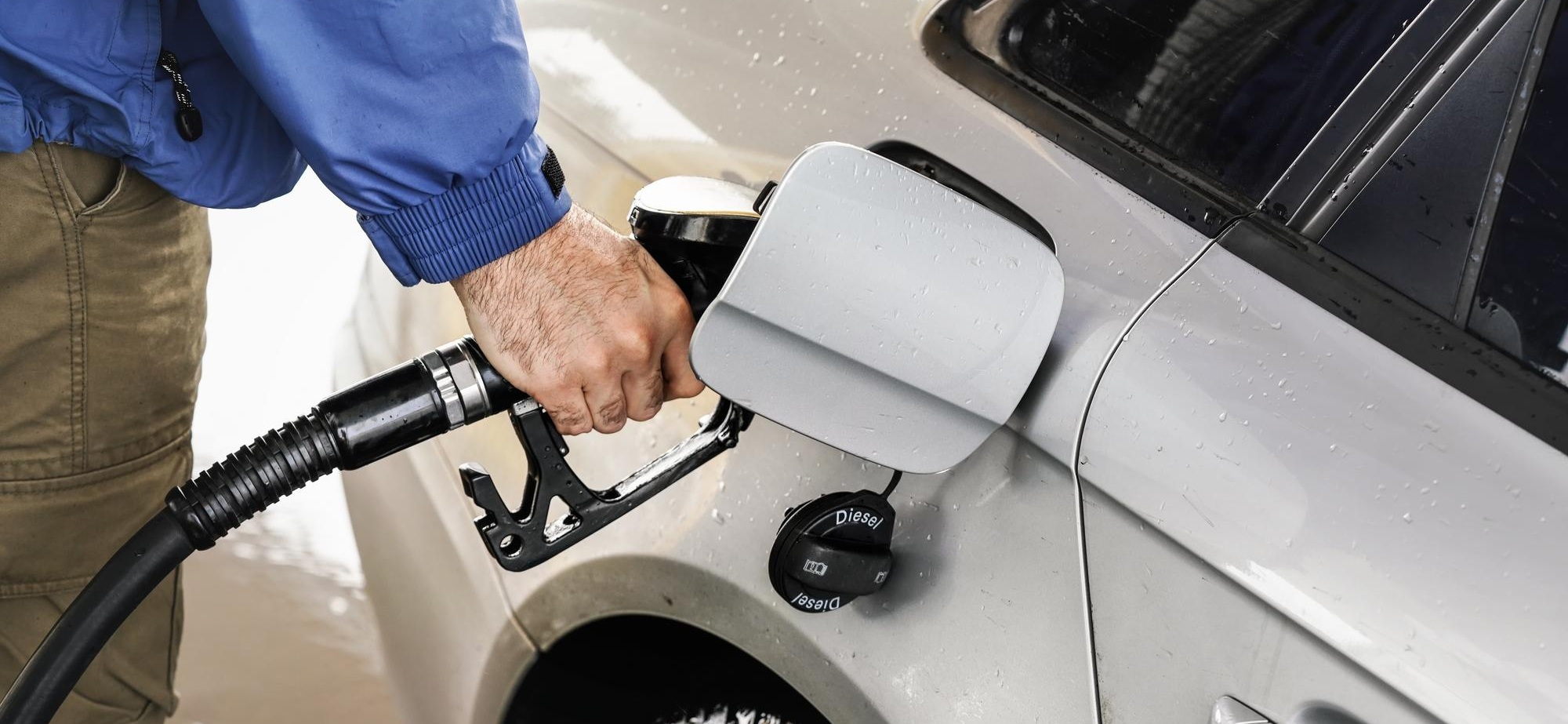
Rising gas prices are once again in the headlines, and for good reason. In early 2026, U.S. fuel costs reached close to $4 a gallon amid the U.S. attacks on Venezuela and Iran, making it one of the sharpest surges in the past few years. While consumers feel the effects at the pump, independent agents should recognize that fuel price volatility has many implications throughout the insurance realm. Here’s what agents need to know to position themselves strategically.
Driving Behavior Is Changing, and So Is Risk
When gas prices rise, people drive differently. Some cut back on discretionary travel, carpool, or consolidate trips. Others seek alternatives like public transportation or remote work. At first glance, less driving might suggest fewer accidents, and potentially fewer claims. That can be true; reduced mileage can lead to a temporary dip in frequency.
However, there’s more to the story. Drivers may take unfamiliar routes to save on fuel costs. Route shifts can temporarily elevate risk. Additionally, an increase in delivery and gig driving may offset any reductions in personal travel, as more people opt to pay delivery fees over making a trip across town.
For insurers, this creates a complex underwriting environment where traditional mileage assumptions become less predictive. For agents, this is an opportunity to revisit usage-based insurance (UBI) and telematics programs. Clients who are driving less may benefit from mileage-based pricing, and agents can serve as proactive advisors.
The Total Cost of Ownership is Rising
Gas prices don’t operate in a vacuum. They’re part of a broader increase in the cost of owning and operating a vehicle. According to Investopedia, not only did gas prices rise by a dollar per gallon from February to March, but new vehicle prices are up from 2026 due to inflation and tariffs.
Auto insurance premiums have also risen. When fuel, financing, maintenance, and insurance all rise simultaneously, affordability becomes a major concern. The downstream effects may include more drivers increasing deductibles, reducing coverage limits, and delaying repairs or replacing the vehicle. In extreme cases, rising costs may even contribute to higher rates of uninsured drivers, which is already a growing concern in many states.
Agents should expect more price-related conversations. Those who can clearly explain value (not just cost) will retain clients more effectively.
There's a shift toward fuel efficiency and EV's
Historically, spikes in gas prices accelerate interest in vehicles considered to be more fuel-efficient, and 2026 is no exception. Recent trends reported in The Guardian show a surge of online searches for electric vehicles (EVs), interest in long-term fuel savings, and consideration of hybrids and smaller vehicles.
However, the increased adoption of EVs presents a paradox for insurance. For example, EVs often cost more to insure, have higher repair costs, and require specialized parts that may be more difficult to get. Fewer repairs facilities may extend claim timelines.
These realities create both risk and opportunity for independent agents. Be prepared to educate clients on the true costs of EV ownership, including insurance. Position yourself as a guide rather than simply a quote provider.
Claims Severity May Increase, Even if Frequency Doesn't
Rising gas prices can indirectly drive up costs in a few ways. First, higher transportation costs will ultimately increase the price of both parts and repairs. Second, we’ve already seen how geopolitical disruptions have disrupted the supply chain, adding pressure there. Third, rental car expenses also rise alongside fuel costs.
Insurance carriers are already facing elevated repair costs as parts and labor have both risen significantly in recent years. So, even if fewer accidents occur overall, each claim may cost more to resolve. Additionally, economic pressure on consumers can lead to delayed maintenance, increasing accident risk. Unfortunately, there’s also a greater likelihood of claim disputes or even fraud.
All these things considered, agents should prepare clients for potential premium increases tied to severity, not just driving behavior. Transparency helps to build trust.
Commercial Lines Face Immediate Impact
While personal auto insurance gets the most attention, rising gas prices hit commercial lines even harder. That’s especially true for businesses most dependent on transportation, like trucking and logistics, contractors, service businesses, and delivery services.
Fuel in these businesses is a major operating expense. As costs escalate, these companies may reduce routes or workforce as pressure increases on their profit margins. Risk profiles also shift as drivers may be overworked or regular maintenance measures may be deferred due to rising costs.
Commercial auto claims can become more severe under these conditions, particularly if businesses cut corners to stay afloat. For agents, that means it’s time to proactively review commercial clients’ current coverage, fleet safety practices, and cost-control strategies.
Insurer Operating Costs Are Also Increasing
It’s not just policyholders who are feeling the impact of rising fuel costs; insurance carriers are also affected. Adjusted travel expenses go up alongside inspection and appraisal costs. Logistics tied to claims handling also rise.
These operational pressures can ultimately feed into rate filings and underwriting decisions. At the same time, insurers are also navigating broader economic uncertainties like inflation, tariffs, and the fluctuating values of vehicles. Rate stability may remain unpredictable for a while. For that reason, independent agents should set expectations early and be proactive in their communications with clients.
Good News: A Window of Opportunity for Independent Agents
Despite all these challenges, rising gas prices also present a unique opportunity for independent agents to differentiate themselves in the marketplace. Many Americans are overwhelmed by rising costs right now; agents can help clients connect the dots between gas prices, vehicle choices, and insurance costs. Those who lead with education become trusted advisors.
As financial pressure increases, more clients will start shopping around for different insurance options. Independent agents are already well-positioned to offer competitive options across carriers. You can also promote smarter coverage by encouraging clients to consider usage-based insurance, bundling policies, and adjusting deductibles strategically.
Economic stress is emotional. Clients don’t just want to save money—they also want understanding and professional guidance. Retention is often strengthened through showing empathy.
Final Thoughts
Rising gas prices are more than a consumer inconvenience. They’re actually more of a catalyst reshaping the insurance industry behind the scenes. They influence how people drive, which vehicles they choose, how much they can afford, and how insurer price risk. While some effects may be temporary others (like the shift toward EVs) are likely to persist. For independent agents, it’s important to not just react to these changes, but anticipate them. Those who are able to do so and effectively support their clients will ultimately thrive.